
Marquez’s Until August is about female infidelity. But it is also a love story. It is a special book because of its origin. It was written whilst Marquez was already losing his memory and as his children recount in the Preface, Marquez said ‘Memory is at once my source material and my tool. Without it, there’s nothing.’ So, there was some disquiet about publishing this book, particularly as Marquez had judged that ‘This book doesn’t work. It must be destroyed’. In the end, Marquez’s children decided not to destroy the book and we have them to thank for this act of faith that flowed out of betrayal but also out of love. It is a magnificent book.
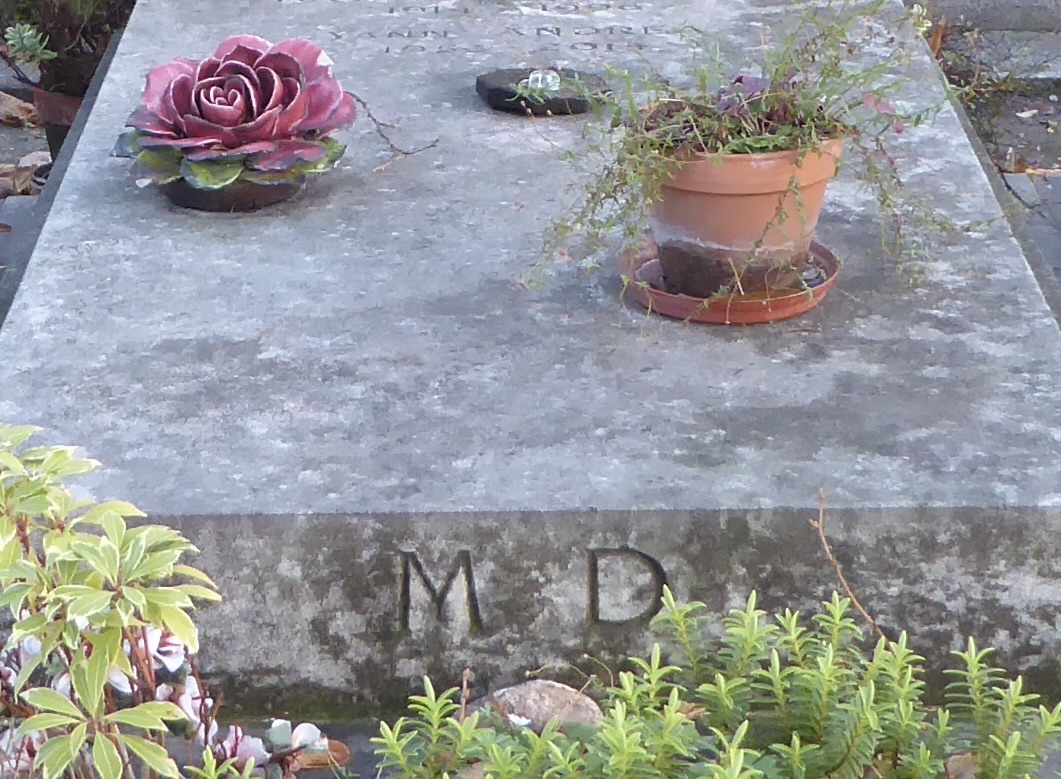
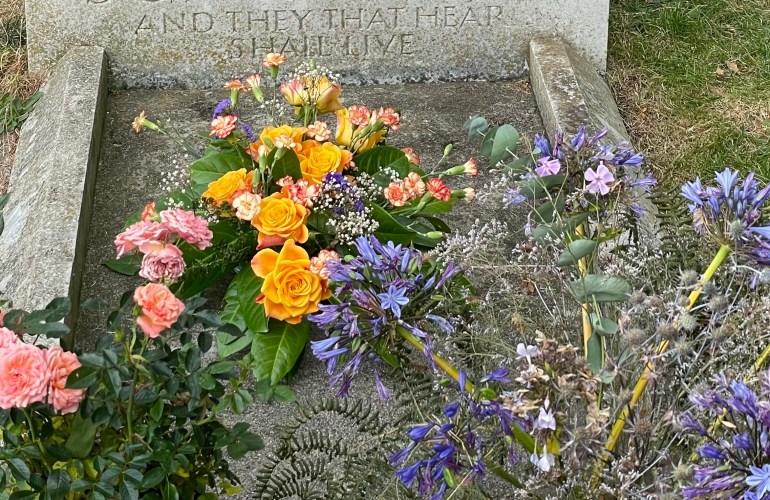
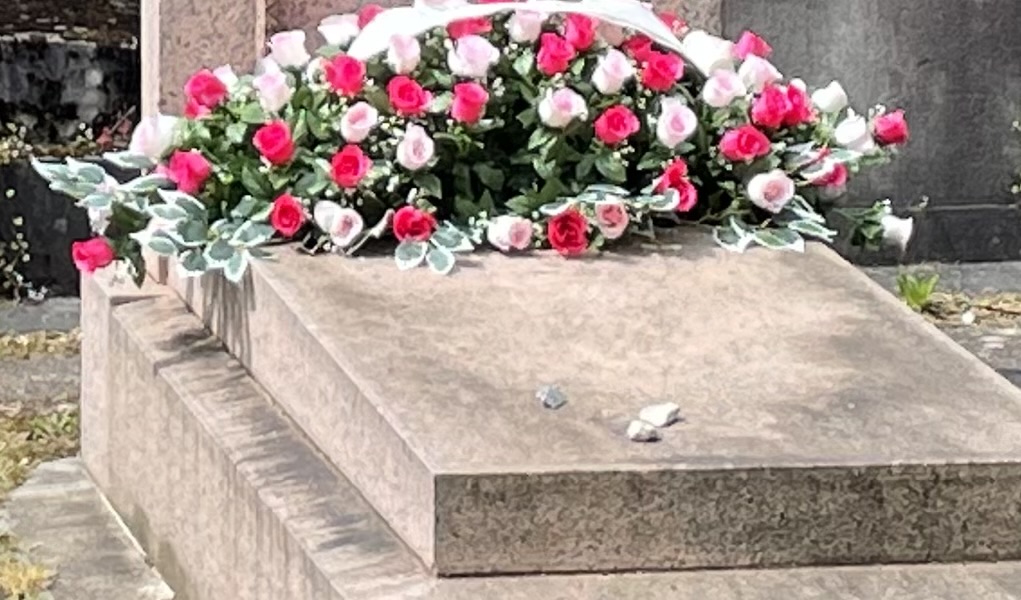
Perhaps, because of Marquez’s impaired memory, the language is pared down. The book has the quality of light on a clear day. Every word is crystalline and pure. Our heroine, Ana Magdalena Bach visits her mother’s grave in a poor village every August 16, crossing the sea by ferry and buying a bouquet of gladioli to place on her mother’s grave. On each occasion she is reading a book as she crosses on the ferry. First Bram Stoker’s Dracula, then The Day of the Triffids by John Wyndham, next Ray Bradbury’s Martian Chronicles, next was Daniel Defoe’s A Journal of the Plague Year, and in the final year of her annual trip to the island she once again took Daniel Defoe’s book.
If one is searching for further patterns in the recurring annual visit to the island, there was also the music and dance. These provide the texture, the ways in which a life is defined like crinoline or lace, organza, or tuille, making visible what is indefinable yet palpable in human life. The first August 16, a young woman was singing bolero accompanied by Augustin Romero and then she sang Debussy’s “Clair de Lune” in a bolero arrangement. The following August, she saw two professionals dance to Emperor Waltz and she herself dance three waltzes in the old style. The next August, a trio played songs by Los Panchos and in the succeeding year, it was a band playing ‘a danceable arrangement of Aaron Copland. On the final August, it is a return to Debussy’s “Clair de Lune”, also in a bolero arrangement but played by an ambitious band and sung by a young woman who sang it with love.

It is within this minor variations of the facts of a life, exemplified by the actions on a particular day, August 16, over a series of years that we come to know Ana Magdalena, to understand her as far as we can understand any human being, and to experience with her, her infidelities. It is true that we see the public acts as well as the private. Yet, it is the secret that is most manifest in this story of Ana Magdalena’s mother’s affair. Even the secret act is public but hidden. It can be revealed, once the key is available and then all becomes clear.

There are always questions. Was it the conventionality of her marriage that explains Ana Magdalena’s infidelity? What was it about her first infidelity that ‘[…] opened her eyes to the reality of her marriage, sustained thus far by a conventional happiness that avoided disagreements in order not to stumble over them, the way people hide dirt under the rug’? And was it the lust that did for her? ‘She had felt on her thigh what he had wanted her to feel to mark his territory. She sensed the weakness in her knees and cursed herself for the beating of the blood in her veins and the impossible heat of breathing’ – this was lust! Or is there something in rediscovered innocence? – ‘He then gave her an innocent kiss that shook her to her core’. These are unfathomable questions, the bottomless abyss of pleasure pitted against the outward logic of a life that is like a frayed collar.

It is the inconsolable sadness, the tears and crying, the terrible anguish and forlornness, the guilt and shame we all carry around, and that Ana Magdalena drags behind her as she returns home with her mother’s skeleton including the end of her dream of one-night strangers.
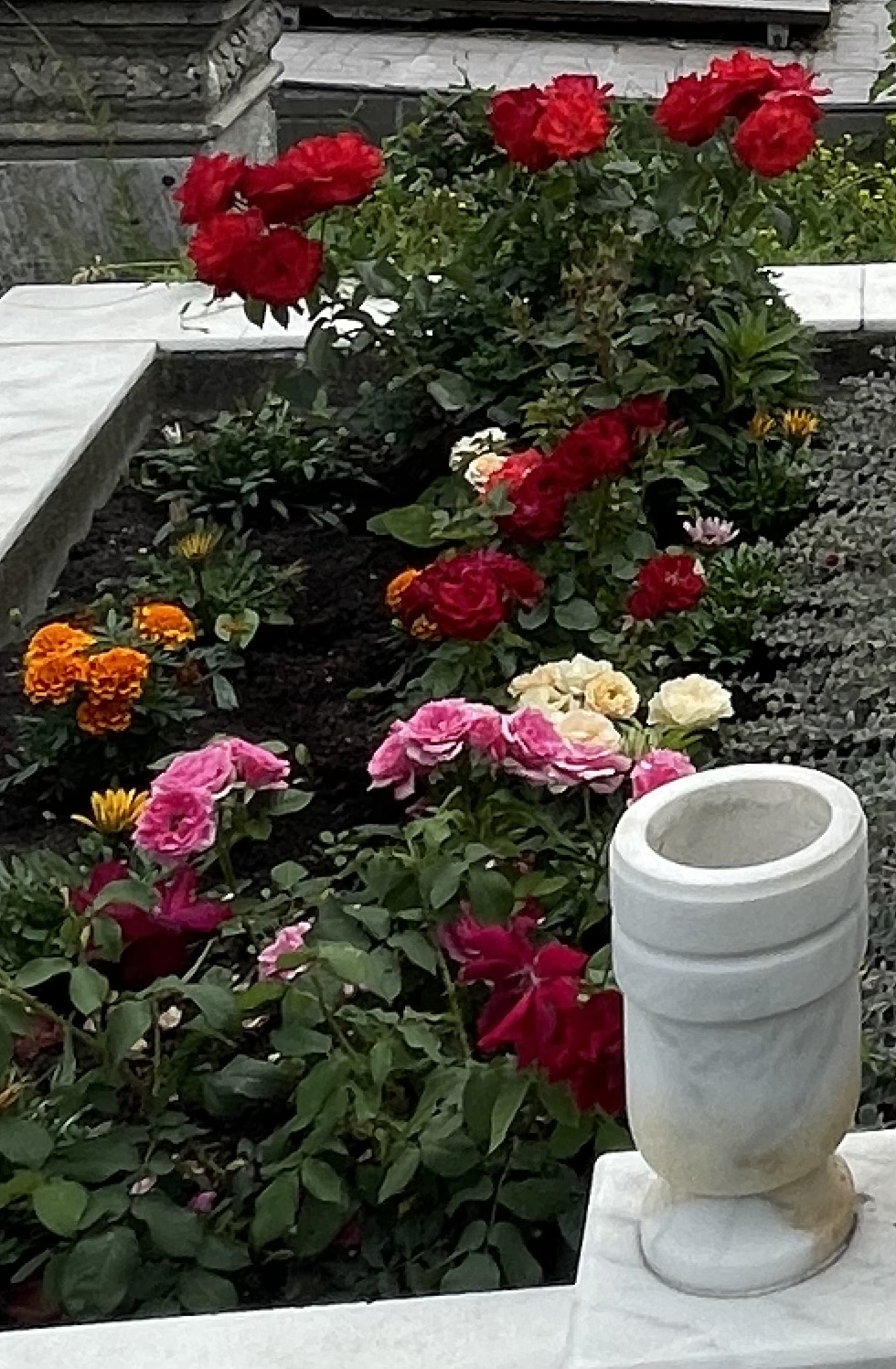
Photos by Jan Oyebode

 MindReadings