
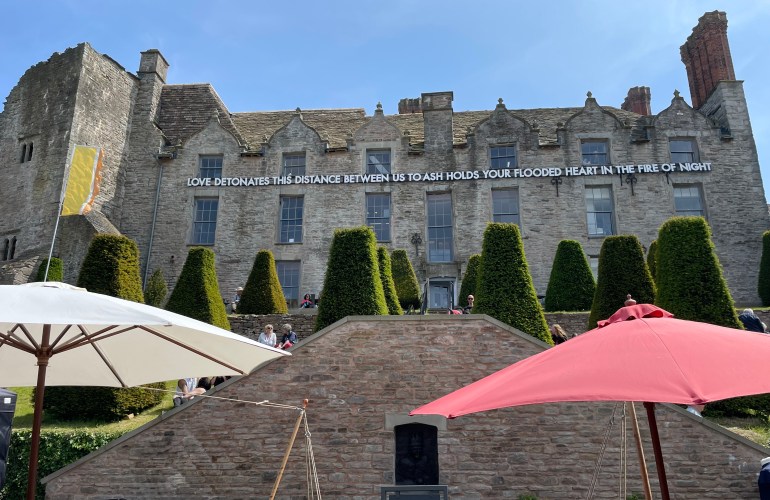
It is Pentecost today. And I am minded to think of R.S. Thomas, priest-poet. It is almost 30 years that he came to Hay-on-Wye to read and I was part of a small group of poets, among them Mick Imlah, Gillian Clarke, Hugo Williams and masterminded by David Hart, another poet who had been a vicar in an earlier life. We came together to make poetry, in a squantum, a festival of poetry on the theme of Pentecost. Yes, the Pentecost of the descent of the Holy Spirit upon the apostles and followers of Jesus, 50 days after Easter, as in pentēkostē, meaning fiftieth.
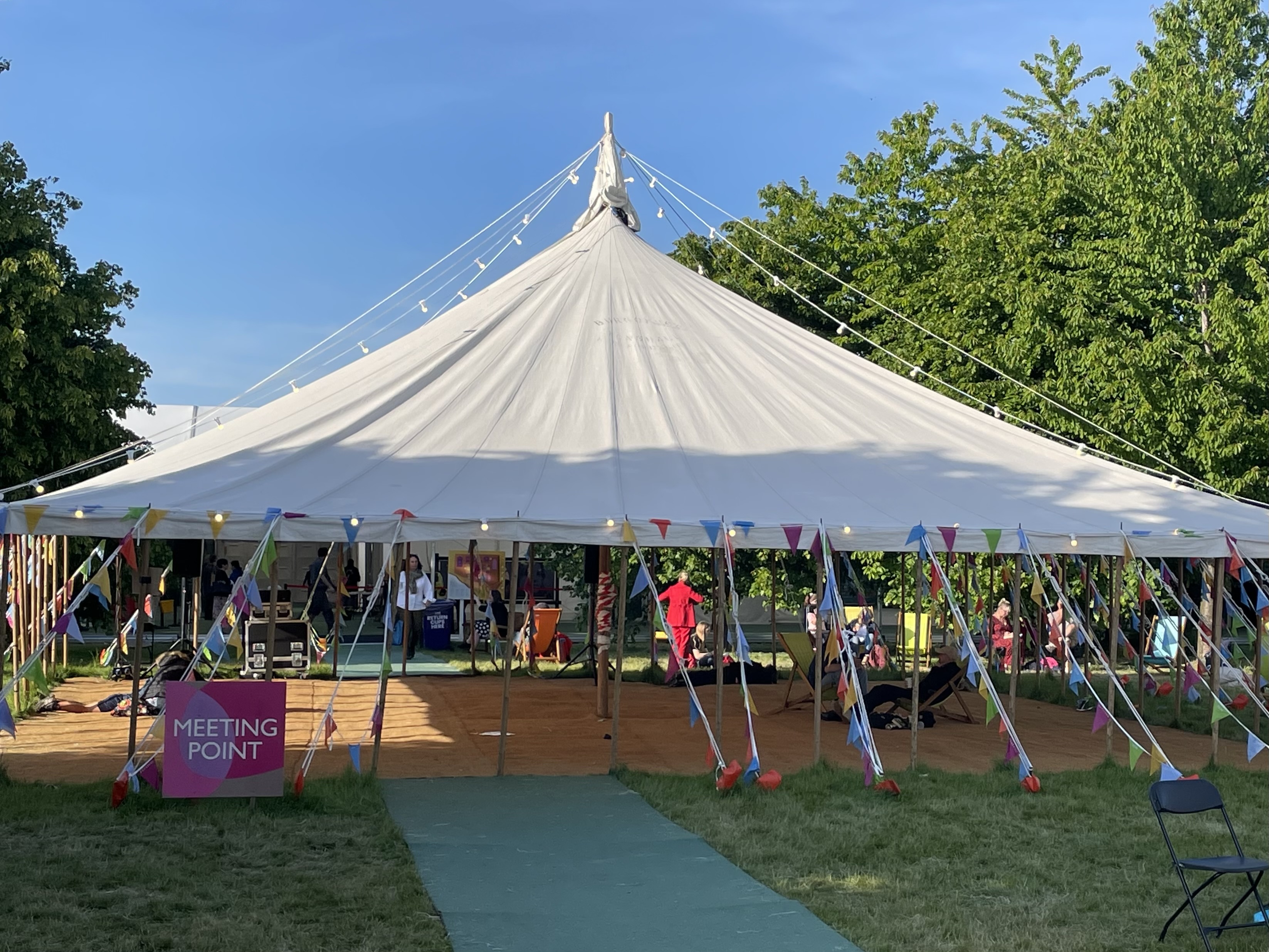
We arrived on a Friday evening and stayed until Sunday, writing and sharing our poems with the public at Hay. My effort wasn’t memorable. I probably have a copy of it somewhere. I have never been any good at occasional poetry! But what was most memorable was encountering R.S. Thomas’ poetry and finding in it something sitting between the sacred and the mundane, some atmosphere that lingers beyond and in between, what is apparent and visible, and what is only felt, just barely hinted at.
In ‘Again’ he expressed it as “indolent grass,/ Wind creasing the water/ Hardly at all; a bird floating/ Round and round”. And in ‘The Small Window’ he wrote
“In Wales there are jewels
To gather, but with the eye
Only. A hill lights up
Suddenly; a field trembles
With colour and goes out
In its turn; in one day
You can witness the extent
Of the spectrum and grow rich
With looking”
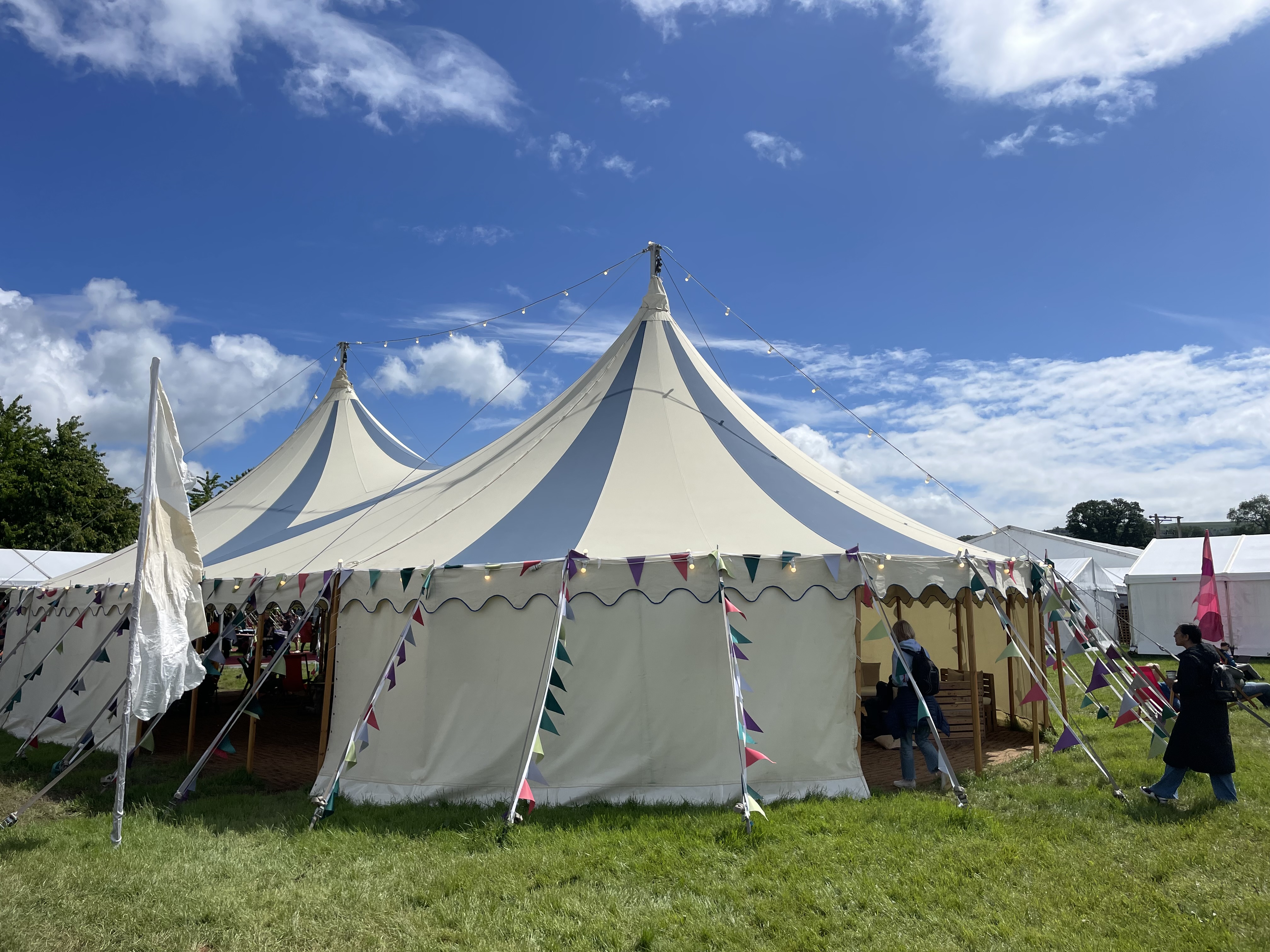
There is something in his writing, about the evanescent, something about the transitory and momentary, something about occurrences in liminal spaces, the borders of day and night, of one country and another, of one language and another. I fell in love with his poetry then.
In ‘Kneeling’, he wrote
“Moments of great calm,
Kneeling before an altar
Of wood in a stone church
In summer, waiting for the God
To speak; the air a staircase
For silence […]”
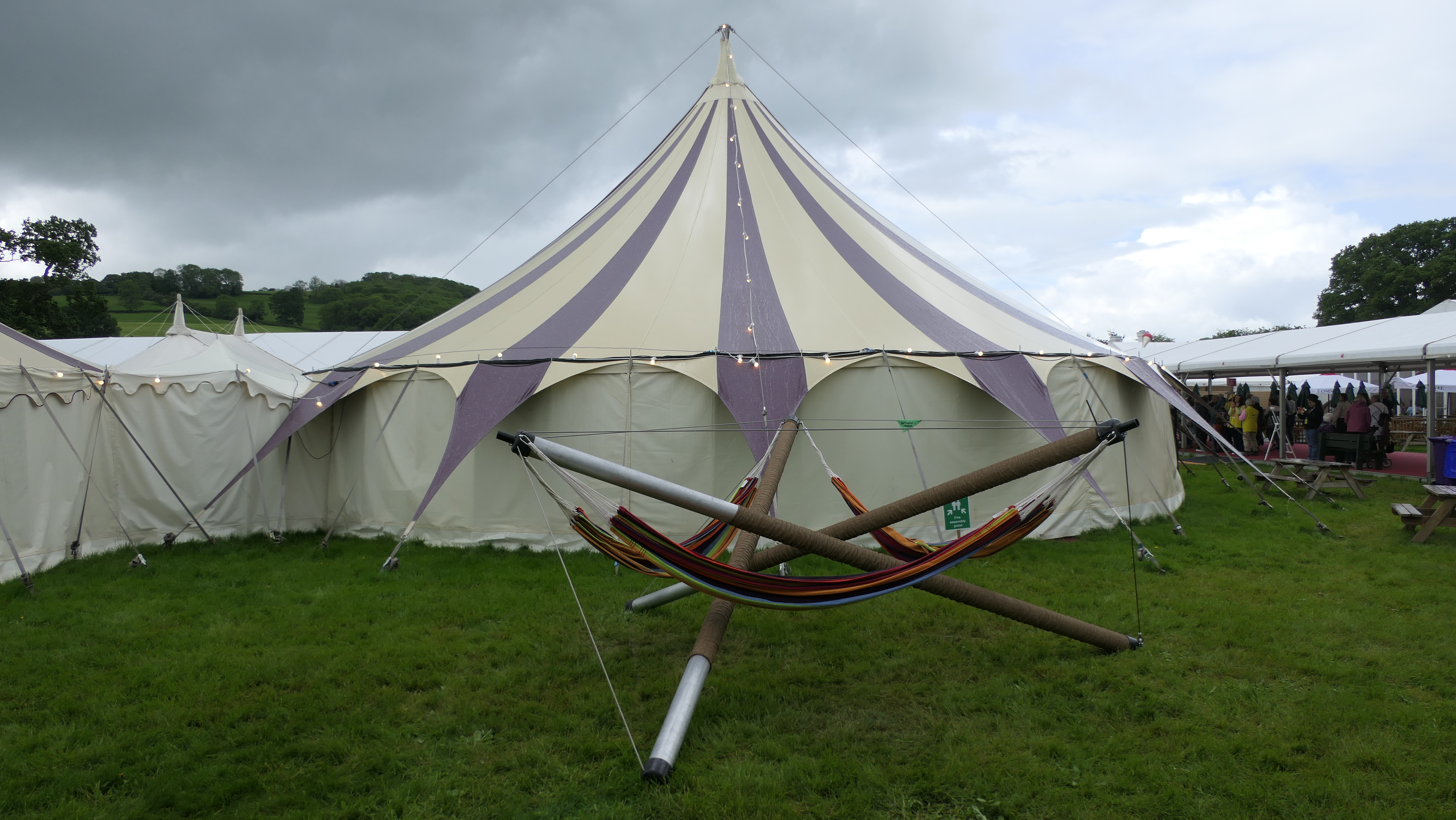
Like Rumi, for R.S. Thomas, it is often in the silence that the great beyond speaks, the presence that is notable in absence. There is also a constant waiting in R.S. Thomas’ poetry. In ‘The Priest’ he wrote
[…]
“Priests have a long way to go.
The people wait for them to come
To them over the broken glass
Of their vows, making them pay
With their sweat’s coinage for their correction”.
How else to express the laities’ longing for succour, and the priest’s ineffectual gestures, “his limping through life on his prayers”. And in “The Visit” the visitor’s sitting as a reproach, almost an audible accusation:
“She was small;
Composed in her way
Like music. She sat
In the chair I had not
Offered, smiling at my left
Shoulder. I waited on the sentences her smile
Sugared […]”
It is in his sense of place that R.S. Thomas comes into his own. In ‘The Moor’ he wrote
“It was like a church to me.
I entered it on soft foot,
Breath held like a cap in the hand.
It was quiet.
What God was there made himself felt,
Not listened to, in clean colours
That brought a moistening of the eye,
In movement of the wind over grass”
In ‘The Garden” he showed how art is a stand against the savage and unpredictable, what Adorno referred to as the “apparition’ of nature. So, the garden ‘is a gesture against the wild, the ungovernable sea of grass’, but also ‘a place to remember love in and to be lonely for a while.’
It has been so refreshing to re-read R.S. Thomas after so many years, particularly on this Pentecost. His poetry reveals the uncanny and sacred in what is mundane and ordinary.
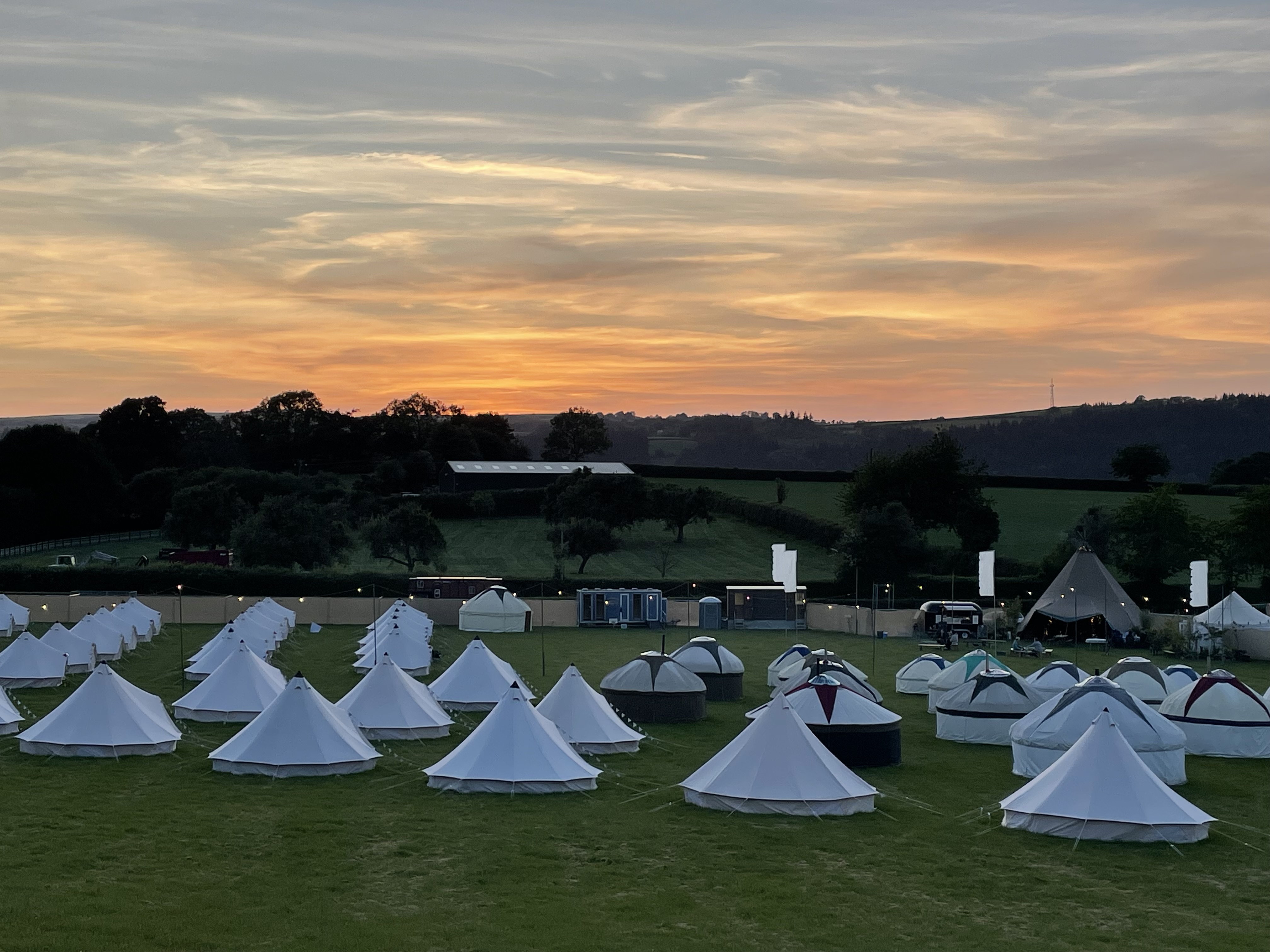
Photos by Jan Oyebode


